Showing posts with label Anglo-Indian Food. Show all posts

Sunday, May 27, 2012

SPICY PRAWN / LOBSTER CURRY

Serves 6   Preparation Time 1 hour


Ingredients
500 grams cleaned and de-veined prawns
1 teaspoon cumin seeds
2 green chillies slit lengthwise
1 teaspoon ginger and garlic paste
3 tomatoes chopped
2 onions sliced finely
1 teaspoon spice powder or garam masala powder
2 teaspoon chillie powder
2 tablespoons coconut paste / coconut milk
3 tablespoons oil
Salt to taste
Heat oil in a suitable pan and add the cumin seeds. When they begin to splutter add the onions and fry till golden brown. Add the prawns and stir fry for a few minutes till they change colour. Now add all the other ingredients and a little water and stir well. Simmer on low heat till the prawns are cooked and the gravy is thick. Serve with rice, chapattis or bread.

Thursday, May 17, 2012

ANGLO-INDIAN COOKING DEMONSTRATION AT THE TAJ WEST END BANGALORE

Here is another picture of Anglo-Indian Dishes demonstrated and prepared by me at the Food trials Lunch at the Taj West End Bangalore on 10th and 17th May 2012.
The dishes in the picture are pepper lamb chops, Mince Ball curry, Tangy fish Curry, Prawn fry, Beans foogath, Cabbage Foogath, lady fingers Pepper Fry, Fish Fingers, vegetable Croquettes, Rosemary flavoured potatoes, Tangy Bringal (Aubergine), Beef in Green Masala, Chicken and Potatoes, Liver and Onion Fry, Butter Rice, Cauliflower and Capsicum foogath, Coconut Rice garnished with browned onions, etc, etc. Seen also in the picture is me along with Executive Chef Sandip Narang and other Executives of the Taj West End enjoying the spread
 

Thursday, November 24, 2011

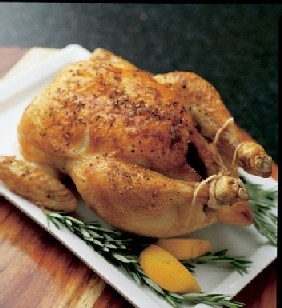
ROAST TURKEY WITH STUFFING

                                                                                                     Serves 6   
Preparation Time 1 hour

1 Whole small dressed Turkey
¼ cup vinegar
3 teaspoons pepper powder
2 cups bread crumbs
2 teaspoons dried mint powder
2 eggs beaten
1 cup of boiled peas and carrot  
 ½ teaspoon grated lemon rind
½ cup oil   Salt to taste

Wash the turkey and rinse the insides well and keep aside.  Wash the liver, heart, gizzards and other edible internal parts of the turkey well.  Cook all these parts with a little water, salt and pepper powder till soft. Remove and chop into very tiny bits. This is known as the Turkey Giblets mince. Mix the cooked giblet mince with the eggs, bread crumbs, vinegar, mint powder lemon rind, salt and the boiled carrots and peas.
Now slit the turkey near the neck just above the chest and fill it well with the giblet mince mixture packing it firmly and tightly. When the turkey is stuffed well, close the opening Rub oil well all over the turkey. Place the stuffed turkey in a large vessel or pressure cooker and add sufficient water.  Cook till the turkey is tender. Keep simmering till all the water dries up and the turkey turns a lovely golden brown all over. (The stuffed turkey can also be roasted in an oven if desired).  Serve hot or cold with boiled vegetables and mash potatoes and Bread.

Wednesday, August 31, 2011

Spicy Mince Croquettes (Cigar shaped Cutlets)

Serves 6                
Preparation Time 1 hour
Ingredients

½ kg minced meat  (Beef or mutton)                    
I onion chopped finely
6 cloves garlic chopped                                           
3 green chilies chopped finely
2 slices bread soaked in water and squeezed dry   
3 tablespoons bread crumbs
2 eggs beaten separately                                         
Salt to taste
3 tablespoons oil or ghee                                          
½ teaspoon pepper powder
1 teaspoon chopped coriander and mint leaves

Wash the mince well and then cook it along with the chopped onion, green chilies, garlic and salt with a little water till nice and dry.  Mix in the soaked bread slices, salt, pepper, coriander leaves, 2 teaspoons breadcrumbs and 1 beaten egg and mix well. Form into long cigar shaped cutlets. Dip each Croquette in the remaining beaten egg and roll in breadcrumbs.  Heat oil in a flat pan and shallow fry about 6 Croquettes at a time.  Serve hot with wedges of lemon and onion rings. This is a very nice accompaniment with pepper water and white rice.

Saturday, August 27, 2011

Anglo-Indian Food Festival - Cooking Demo

A few pictures of my cooking Demo at the Anglo-Indian Food festival on 20th and 21st Aug 2011
                                                        A selection of food at the Fest: 
                                                                                                     Fish Fingers and Mixed Veg Croquettes


CHICKEN PEPPER FRY                                 

 
Coconut Rice, Mince Ball Curry and Mixed Veg Vindaloo


 Grandma's Country Captain Chicken


Caramel Custard

Saturday, March 5, 2011

Household Tips – The Kitchen

The Kitchen is the most important room of your household as it is the most used room and remains busy all the time with the mess of cooking, eating, storing and serving food etc. The cleanliness of this very busy place is that more important as it is directly linked to the health of people in your house.


When the kitchen is not cleaned for a long time or bacteria and germs take centre stage in it. These germs enter human being through cooking and eating in the dirty kitchen. It is always better to clean the cooking range, the slabs, utensils and wash basin after cooking every meal. If you cannot clean your entire kitchen every day for some reason, try to clean it atleast every alternate day. If the cooking range or gas stove and slabs are wiped clean with a wet cloth after cooking everyday, the less chances of bacteria and germs in your kitchen. Wash your kitchen floor regularly with soap and water to which a little disinfectant is added. This way you will have a neat and clean kitchen every time you come in to cook some food.

Apart from the cooking range, gas stove and sink that need to be kept clean, the other appliances in your kitchen such as the refrigerator, microwave oven, the mixie etc also need to be cleaned on a regular basis. Kitchen cupboards, cabinets and shelves need to be cleaned and dusted on a monthly basis. Containers containing the various ingredients also need to cleaned regularly and old powders and condiments that have passed their expiry should be disposed off. Wash the cutting Board and Knife as soon as the cutting is done.

The dust bin / garbage pail should be kept under the kitchen sink and closed with the lid to discourage flies. All vessels containing food should be kept closed to avoid dust, flies, insects or even lizards falling into it. Spray the kitchen regularly especially near the sink and other outlets to discourage cockroaches. All exposed leftovers and stale foods should be disposed off.

Keeping your kitchen safe is also just as important as keeping it clean. Ensure that the gas cylinder value closed after cooking is done. Matchsticks used for lighting the gas should be completely put out before throwing them in the dustbin. A small metal ashtray or a tin could be kept in the kitchen for this purpose. Avoid shelves containing kitchen ingredients and condiments above the gas range so as to prevent any untoward accident while stretching over the gas flame to reach them. Most of all avoid keeping the gas oven on the floor especially when there are children in the house.

Sunday, February 20, 2011

BRINJAL AND TOMATO SIDE DISH

Serves 6 Preparation Time 45 minutes


Ingredients
¼ kg long brinjals (either green or purple) cut into big pieces (soak in water),
2 onions chopped,
2 tomatoes chopped,
2 green chillies chopped,
1 teaspoon garlic and ginger paste,
2 teaspoons chillie powder,
½ teaspoon turmeric powder,
1 teaspoon coriander powder,
1 teaspoon garam masala powder / all spice powder,
2 tablespoon chopped coriander leaves,
2 tablespoons oil, salt to taste

Heat oil in a pan and sauté the onions and green chillies for a little while. Add the tomatoes, garlic paste and ginger paste, chillie powder, turmeric, garam masala / spice powder, coriander powder, a little of the chopped coriander leaves and salt and stir fry till the oil separates from the mixture. Add the cut brinjals and 1 cup water and simmer on low heat till the gravy thickens. Garnish with chopped coriander leaves. Serve with rice or chapattis

Friday, October 15, 2010

Passing on the legacy of Anglo-Indian cuisine

Passing on the legacy of Anglo-Indian cuisine
By Theresa Varghese
, Bangalore

People like Koramangala-based Bridget White-Kumar prove that you do not have to be an academician or historian to bring the past alive. Instead of simply retiring, she has become a food ambassador.
The recently released Julie and Julia enthralled cinema lovers and foodies equally. The film, in part, shows the determination of an otherwise laidback Julia Child’s (played by Meryl Streep) endeavours to become a Cordon Bleu cook, her resolve to teach American women the art of French cuisine and the difficulties in getting her first recipe book published.
Author of six cookbooks and a blog on Anglo Indian cuisine, Bridget White-Kumar is Karnataka’s very own food ambassador. For Bridget White-Kumar this story could be termed familiar territory. Author of six cookbooks and a blog on Anglo Indian cuisine, she is Karnataka’s very own food ambassador. And, like Julia, the road to getting published was a rocky one for Bridget.

A former bank employee, Bridget’s professional life took a 180 degree turn when, after opting for voluntary retirement, she began to document Anglo Indian cuisine. Always interested in food, it was only when her daughter left for higher education to a foreign country that Bridget realised the value of the knowledge she held.
“I wrote out some recipes for my daughter,” recalls Bridget. “This became so popular with her friends that we dubbed it the black book. As she kept calling me to clear doubts, I realised that many of these recipes would probably die out if they were not recorded.” It provided the impetus for Bridget’s first book – The Best of Anglo Indian Cuisine – a Legacy, which came out in 2004.

With publisher after publisher rejecting her manuscript, by the time a publishing house finally agreed to the book, Bridget was weary of the entire procedure. So she decided to bring it out herself. Despite the high expense that self publishing entails, Bridget has not regretted the decision.

“The Internet has been a huge blessing,” she says with a smile. Thanks to technology and the blog, Bridget has been able to market her books so well that she has recovered all costs incurred. Considering that she did not know how to even work a computer before she embarked on her cookbooks, this is no mean feat. There have been no book launches or media blitzes either, but word of mouth did the rounds and the resultant press write-ups propelled Bridget into the limelight. Publishers also took note. Bridget’s seventh book, currently with a major publishing house, will soon be out. And her eighth – a nostalgic look at life in Kolar Gold Fields (KGF), has been published by Author House UK.

The Best of Anglo Indian Cuisine - Bridget White-Kumar.

Bridget, who grew up in the close knit mining community of KGF where a large percentage of the population were Anglo Indians, believes that Anglo Indian cuisine is the first instance of fusion food in India. “It is a confluence of various cultures, not just Indian and British,” she says. “Even within Anglo Indian communities in different parts of India, the ingredients for the same dish can vary. In Cochin the use of coconut will be more, while in Calcutta the oil used would be mustard. But whichever the region, the use of spices remains constant. The judicious use of spices is the defining trait of our food. Not spicy and not bland,” she adds.

Bridget’s favourite meal is yellow coconut rice, mince ball curry and pepper chicken. It is a reminder of her childhood. And of a past that she remembers with clarity. With four generations of Whites in the mining sector and a family home in Robertsonpet in KGF, Christmases especially were a great time for merriment and feasting.

To read Bridget-White Kumar’s blog, click here. For copies of her books, contact her on 9845571254 or at bidkumar[at]gmail[dot]com or bridgetkumar[at]yahoo[dot]com
“My father was a mining engineer and we lived in huge rambling quarters in KGF. There were four mines and each mine would have their Christmas function; with a tree, games for children, Santa distributing goodies, a funfair with food stalls where coconut puffs and marshmallows were favourites and the Christmas dance which began at 9 in the night and wound up by 5 in the morning! The dance was a big event; people would come from Chennai and Bangalore to hear the groups playing,” she says.

It is recollections like these that you will find in her yet to be published book. People like Bridget White-Kumar prove that you do not have to be an academician or historian to bring the past alive. She could have led an ordinary retired life but, with her perseverance in documenting the food of a dwindling community and her resolve to pen memories of a world that has disappeared, she has chosen to tread a different path.

Plum cake
Serves 6
Preparation time 1 hour

Ingredients
300 grams flour or maida
250 grams butter
250 grams powdered sugar
3 eggs (whites beaten well separately)
1 teaspoon baking soda
2 teaspoon chopped orange or lemon peel
100 grams black currant chopped
2 tablespoon date syrup (for colour)
2 cloves and two small pieces of chinnamon powdered
1 table spoon vanilla essence

Shift the flour, baking powder and salt together. Dust the orange/ lemon peel and chopped black currants with a little flour. Cream the butter and sugar well. Add the egg yolks, date syrup, cinnamon and clove powder and vanilla essence and mix well. Add the orange/ lemon peel and black currants. Slowly add the egg whites and flour and fold it well. If the mixture is too thick add a little milk. Pour into a greased and papered baking tin or dish and bake in a sow oven for about 40 to 45 minutes. Remove from the oven when done and set aside to cool.

(Taken from The Anglo-Indian Festive Hamper, one of the books Bridget White authored.)

Theresa Varghese
23 Dec 2009
Independent writer and ardent baker who loves all things to do with food

Saturday, May 8, 2010

SWEET COCONUT PUFFS

For the Dough: 250 grams refined flour or maida, 50 grams butter, ½ teaspoon baking powder, 1 teaspoon salt, ½ kg oil for frying.

For the Filling: 3 cups grated coconut and 3 tablespoons sugar mixed together

Sift the flour with the salt and baking powder. Mix in the butter and knead to a fairly stiff dough with very little water. Keep aside for 1 hour.

Take the dough on a floured board and roll out into a thin sheet. Cut squares of about 2 to 3 inches per side. Put a tablespoon of the sweetened coconut on half of the square. Fold the other half over in such a way to form a triangle. Seal the edges by dampening with a little water. Heat the oil in a deep pan till smoky. Slowly drop in as many puffs as the pan can hold and fry till brown on both sides. Remove from the pan and drain.

Note: These puffs can last for a fortnight if dry cocoanut or copra is used instead of fresh coconut.

Monday, May 3, 2010

BREAD PUDDING

8 slices of bread
2 cups milk
50 grams butter
3 tablespoons sugar
½ teaspoon vanilla essence
½ cup chopped cashew nuts or walnuts
2 eggs beaten well.

Remove the crusts from the bread slices and break into small pieces. Take a baking dish and grease it. Spread the pieces of bread in it. Mix the milk, beaten eggs, sugar, vanilla essence and butter together and pour this mixture over the pieces of bread soaking them completely. Sprinkle the nuts on the top. Bake in a hot oven for 20 to 30 minutes.
Note: This pudding can also be steamed for 30 minutes instead of baking if desired

Tuesday, April 13, 2010

SPICY ANGLO-INDIAN PORK ROAST AND MUSTARD SAUCE

2kg pork (1 whole piece) from the shoulder portion
2 teaspoons pepper powder
4 dried red chillies broken into bits
3 pieces of cinnamon about ½ inch each
1 teaspoon chilly powder
½ teaspoon turmeric powder
2 or 3 onions sliced 1 tablespoon vinegar
1 tablespoon oil
Salt to taste
Wash the pork and rub it well all over with the salt, pepper, chilly powder and turmeric powder. Spread the sliced onions evenly in a fairly large greased baking dish. Lay the chunk of pork on the layer of onions. Sprinkle the broken red chillies and cinnamon over it. Drizzle the oil all over the meat. Shake the dish so that it spreads evenly. Cook in a moderate oven (355 0 ) for about one and a half hours till the meat is soft and brown. (Turn the meat over every half hour so that it browns all over evenly).
Cut the pork into slices and arrange on a platter. Serve with mash potato, steamed vegetables, dinner rolls and Anglo-indian Mustard Sauce.
The Pork Roast could be prepared using a Pressure cooker instead of baking in an oven.

ANGLO-INDIAN MUSTARD SAUCE. 
This sauce can be used as a spread for sandwiches by mixing it with shredded meat, vegetables, mayonnaise etc. It can also be eaten as a side relish with any type of Roasted Meat, Chicken Turkey, Duck etc.
This sauce was an integral sauce on every Anglo-Indian table during the Christmas Season

50 grams ordinary black or brown mustard
10 grams white mustard
1 teaspoon chillie powder
2 teaspoons garlic paste
2 tablespoons sugar
Salt to taste
A small piece of Drumstick Bark
1 cup white vinegar
Grind all the above to a smooth paste. Add a little more vinegar to make the paste into a sauce like consistency. Refrigerate and use when required.
Note: In case the drumstick bark is not available substitute with a stick of cinnamon.

Tuesday, March 30, 2010

PORK / LAMB TROTTERS IN GRAVY

8-Trotters (mutton or pork) preferably the front ones
1teaspoon ginger paste
1 teaspoon garlic paste
2-teaspoons spice powder
2-large tomatoes chopped
3-teaspoons chillie powder
2-large onions chopped
1-teaspoon coriander powder
3-tablespoons oil
Salt to taste
2 tablespoons coriander leaves chopped.

Heat oil in a pressure cooker and lightly sauté the onions. Add the trotters, spice powder, chillie powder, tomato, coriander powder and salt and mix well. Add sufficient water and pressure cook first on high heat then on low heat for half an hour till the trotters are well cooked. Garnish with chopped coriander leaves. Serve hot with rice or bread or even dosas or hoppers.

Thursday, March 18, 2010

ANGLO-INDIAN OX TONGUE ROAST

Serves 6
Preparation Time 45 minutes
1Large Ox tongue
1 big onion sliced
4 red chilies broken into bits
1 teaspoon whole pepper corns
2 cloves
2 pieces of cinnamon
2 tablespoons oil
Salt to taste

Wash the tongue well and then pressure cook it with 2 cups of water and a little salt till tender letting some soup remain. Open the pressure cooker and remove the boiled tongue. Let it cool for some time. When it is a little cold remove the white skin from the tongue and put it back into the open cooker and add the oil, onion, red chilies pepper corns, cloves and cinnamon and a little more salt. Mix well. Simmer on low heat till all the soup dries up and the tongue is nicely brown all over .Cut into slices and arrange on a plate along with the residue. Serve hot or cold with mash potatoes and bread. You can make very delicious sandwiches with tongue roast as filling.

Sunday, February 14, 2010

SIMPLE TOMATO SAMBAL

4 large tomatoes chopped
2 green chilies chopped
2 large onions sliced finely
Salt to taste
1teaspoon chillie powder
Juice of 1 lime
2 tablespoons oil
Heat the oil in a pan and fry the onions till golden brown. Add the chopped tomatoes, chilies, salt, chillie powder and lime juice. Simmer on low heat till the tomatoes are cooked to a pulp and all the water dries up. Serve with rice, chapattis, Dosa or Idlis

Friday, February 5, 2010

Corned Beef

2 Kgs tender beef from the “Round” Portion
1 kg Table salt or powdered salt
50 grams Saltpeter or Lime salt powdered
1 tablespoon moist brown sugar
Juice of 8 limes
2 teaspoons vinegar

Wash and dry the meat well. Puncture holes all over it. Mix the salt, saltpeter and brown sugar together. Divide this mixture into 4 parts. Rub the Beef all over with one portion of the salt mixture and juice of 2 limes. Turn the beef around so that the salt solution seeps into it well. Repeat this after every 2 hours rubbing it well several times during the day. Next morning remove from the old dish and place it on another dry dish, and rub into it the second portion of the prepared salt. Let it stand for an hour or so, then pour over it the remainder of the 2nd portion of the salt solution. Repeat the rubbing two or three times during the day, turning the beef continually. On the 3rd and 4th day repeat the procedure of placing in a fresh dish and rubbing the beef well with the 3rd and 4th portions of the prepared salt solutions and lime juice. On the 5th day boil or pressure cook the meat with all the residue of the salt solution for at least 1 hour on low heat. Cool and store. Use for sandwiches etc when required.

Tuesday, February 2, 2010

Fish in Mustard Gravy

1 kg good fish such as Hilsa or Trout
3 tablespoons oil
2 tablespoons mustard powder
1 teaspoon turmeric powder
8 to 10 green chillies
Salt to taste

Make a paste of the mustard with about 6 tablespoons of water. Heat oil in a non-stick pan and fry the mustard paste and turmeric powder for about 5 minutes on low heat. Add 3 cups of warm water and mix well. Bring to boil. Add the fish, green chillies and salt and cook on medium heat till the fish is cooked and the gravy thickens a bit.

Thursday, January 14, 2010

STUFFED FLAT BREAD / DHAL PURI

2 cups channa dal (Bengal gram)
½ tsp Turmeric powder
½ teaspoon cumin powder
Salt to taste
4 cups flour
Ghee or Oil for deep frying
Wash dal and boil with turmeric and salt till its soft (but not mushy) in just enough water (2 cups) so that water gets absorbed when its done. Kneed flour with water to a stiff dough and keep aside. Strain and grind dal to a fine paste, add cumin powder. Adjust salt to taste. Divide the dal paste into equal portions for puris. Take a ball of dough, make a depression and add the dal paste. Close and then roll out to a thin puri or flat bread. Heat oil in a deep pan till smoky. Fry the stuffed dhal puris one at a time on a high flame for a few minutes till done. Serve with chutney

Thursday, December 10, 2009

OX TONGUE ROAST FOR CHRISTMAS

1Large Ox tongue
1 big onion sliced
4 red chilies broken into bits
1 teaspoon whole pepper corns
2 cloves
2 pieces of cinnamon
2 tablespoons oil
Salt to taste

Wash the tongue well and then pressure cook it with 2 cups of water and a little salt till tender letting some soup remain. Open the pressure cooker and remove the boiled tongue. Let it cool for some time. When it is a little cold remove the white skin from the tongue and put it back into the open cooker and add the oil, onion, red chilies pepper corns, cloves and cinnamon and a little more salt. Mix well. Simmer on low heat till all the soup dries up and the tongue is nicely brown all over .Cut into slices and arrange on a plate along with the residue. Serve hot or cold with mash potatoes and bread. You can make very delicious sandwiches with tongue roast as filling

ANGLO-INDIAN LIVER AND ONIONS FRY

  ONION AND LIVER FRY Ingredients  ½   kg lamb liver sliced thinly        4 large onions chopped 1teaspoon chillie powder                   ...